Pages

Saturday, May 18, 2013

Bird Ecology Summer School 2013

Bird Ecology Summer School 2013:
Ökologisch-ornithologische Sommerschule 2013:


Monday, May 13, 2013

Week 11

finally, we trapped season´s 2000th bird: a Brambling
It was just last week when Franziska asked me wheter I think that we will have some days of mass migration with hundreds of birds in our mist-nets like we had here in autumn - and I said "no, not in spring". But once again, I was proofed wrong. The week started like an explosion: just within one or two days all trees and plants went green and we trapped up to 260 birds a day! Mostly Yellow-browed Warblers, but also some other nice species among them - like the White´s Thrush, which we heard singing before in its strange and melancholic manner. Furthermore, we were able to recognize to bird species for the first time at Muraviovka Park: on Wednesday we trapped an Eastern Crowned Warbler, and the same day we spotted a male House Sparrow within a flock of Tree Sparrows: Yes, its a rare bird here! In the 1980´s some pairs bred in the village of Muraviovka next to the Park and nowadays there is only a small colony at the railway station in Blagoveshchensk. On Thursday, rain started - and did not stop until Sunday, which made trapping impossible for the rest of the week. Sadly, Naomi had to leave us that time, too. Peter, a German bird ringer, has taken her place now in our team. Despite the bad weather we went on several trips to other parts of Muraviovka Park and continued the breeding bird surveys. At least six nests of the Oriental Stork are now occupied, and over 25 singing males of the Vulnerable Japanese Reed Bunting were found so far. This year is extremely wet, making the conditions perfect for most of the wetland species. Many waders have been found, like Marsh Sandpipers, Temminck´s Stints and Pin-tailed Snipes as well as big flocks of Pacific Golden Plovers. Also impressive was a flock of about 200 Yellow Wagtails, probably of the form thunbergi. But the water can also cause problems: Wassili Dugincov, local ornithologist, found a nest of White-naped Cranes which was nearly flooded, and the adult birds were not able to carry enough material to prevent it from sinking. So a big amount of dry grass was brought to the nest - and it worked, the cranes used the material and the spot is save for now.
On Friday, Sergei Smirenski (Park´s president) and I followed an invitation to an international meeting of the Rotary Club in Blagoveshchensk, giving a presentation about the work at Muraviovka Park. And on Saturady, many people came to help with the Parks reforestation programme, planting numerous trees. So - even without trapping, the week was always busy!

Es war erst letzte Woche als Franziska mich fragte, ob ich es für möglich halte, dass wir nochmal so richtig intensive Zugtage erleben, mit hunderten Vögeln in den Netzen - wie zur Herbstsaison. Ich sagte nein - "nicht im Frühling". Doch wieder einmal wurde mir das Gegenteil bewiesen. Die Woche begann wahrlich explosiv: Innerhalb von nur ein oder zwei Tagen wurden die Bäume und alle Pflanzen grün, und die Netze hingen voll mit Vögeln - bis zu 260 pro Tag! Der Großteil davon waren Gelbbrauen-Laubsänger, doch dazwischen auch einige andere spannende Arten - wie zum Beispiel die Erddrossel, deren eigentümlich melancholischen Gesang wir zuvor schon hören konnten. Außerdem konnten wir zwei Vogelarten zum ersten Mal für den Muraviovka Park nachweisen: Am Mittwoch beringten wir einen Kronenlaubsänger, und am gleichen Tag beobachteten wir einen männlichen Haussperling in einem Trupp von Feldsperlingen. Ja, der Haussperling ist in der Tat eine Rarität hier! In the 80er Jahren brüteten einige Paare im Dorf Muraviovka nahe des Park´s, aber heutzutage existiert nur noch eine kleine Kolonie am Bahnhof in Blagoweschtschensk. Am Donnerstag begann es zu regnen - und bis Sonntag hörte es auch nicht wieder auf, sodass wir den Rest der Woche die Netze geschlossen halten mussten. Traurigerweise musste uns Naomi verlassen - ihren Platz in unserem Team hat nun Peter, ein Vogelberinger aus Deutschland, eigenommen. Trotz des schechten Wetters unternahmen wir einige Exkursionen in andere Teil des Muraviovka Park und setzten mit den Brutvogelerfassungen fort. Mindestens sechs Horste des Schwarzschnabelstorchs sind nun besetzt, und über 25 singende Männchen der gefährdeten Mandschurenammer konnten kartiert werden. In diesem Jahr ist es hier besonders feucht, ideale Bedingungen also für die meisten Feuchtgebiets-Bewohner. Viele Limikolen konnten wir nun auch beobachten, wie Bruchwasserläufer, Temminckstrandläufer, Spießbekassine und große Trupps von Tundra-Goldregenpfeifern. Eindrucksvoll war auch ein Schwarm von über 200 Schafstelzen, höchstwahrscheinlich der From thunbergi. Aber zu viel Wasser kann auch zu Probleme führen: Wassili Dugincov, ein lokaler Ornithologe, fand ein Nest des Weißnackenkranichs, was zu versinken drohte. Die Altvögel waren nicht im Stande, schnell genug Material heranzuschaffen, um den steigenden Wasserpegel auszugleichen. Und so wurde beschlossen, große Mengen trockenes Gras zum Nest zu bringen - und siehe da, es funktionierte: die Altvögel nutzten das Pflanzenmaterial und dieser Brutplatz ist vorerst gesichert. Am Freitag folgten Sergei Smirenski (Präsident des Park´s) und ich der Einladung zu einem internationalen Meeting des Rotary Club in Blagoweschtschensk, um eine Präsentation über die Arbeit im Muraviovka Park zu geben. Und am Samstag kamen zahlreiche Leute, um bei der Wiederaufforstung zu helfen, viele Bäume wurden trotz des miesen Wetters gepflanzt. Also - auch ohne das Fangprojekt eine ausgefüllte Woche!

Eastern Crowned Warbler: 1st record for Muraviovka Park
White´s Thrush - what a huge bird!
male Brambling
Bluethroat, male svecica
the beauty and the beast within one bird: Brown Shrike
nothing to be unseen
presentation of our videoblog at the meeting in Blagoveshchensk
ready to plant trees


this bird realy makes you happy: Black-naped Oriole
in a usual week this one would have been a canditate for the bird of the week: Wryneck
Siberian Chipmunk...yes, not only birds can be awesome
one of the secretive and commonly overlooked Japanese Reed Buntings
Amur Falcons are occupying now the Magpie nests
if looking on the floor instead of in the sky, one could recognize that the ground is covered by flowers
all photos © by Sergei M. Smirenski and Wieland Heim

06.-12.05.2013, total traps: 469 birds out of 30 species
Yellow-browed Warbler Пеночка-зарничка Gelbbrauen-Laubsänger 236
Black-faced Bunting Седоголовая овсянка Maskenammer 40
Brambling Юрок Bergfink 36
Red-flanked Bluetail Синехвостка Blauschwanz 25
Taiga Flycatcher Восточная малая мухоловка Taigaschnäpper 18
Little Bunting Овсянка-крошка Zwergammer 17
Dusky Warbler Бурая пеночка Dunkellaubsänger 14
Tree Sparrow Полевой воробей Feldsperling 14
Yellow-browed Bunting Желтобровая овсянка Gelbbrauenammer 13
Pallas´ Leaf Warbler Корольковая пеночка Goldhähnchen-Laubsänger 8
Siberian Rubythroat Соловей-красношейка Rubinkehlchen 7
Dusky Thrush Бурый дрозд Rostflügeldrossel 5
Elegant Bunting Желтогорлая овсянка Gelbkehlammer 4
Grey-backed Thrush Сизый дрозд Gartendrossel 4
Long-tailed Rosefinch Урагус Meisengimpel 4
Willow Tit Пухляк Weidenmeise 4
Eurasian Jay Сойка Eichelhäher 3
Rustic Bunting Овсянка-ремез Waldammer 3
Eurasian Wryneck Вертишейка Wendehals 2
Olive-backed Pipit Пятнистый конек Waldpieper 2
Black-naped Oriole Черноголовая иволга Schwarznackenpirol 1
Bluethroat Варакушка Blaukehlchen 1
Brown Shrike Сибирский жулан Braunwürger 1
Eastern Crowned Warbler Свeтлоголовая пеночка Kronenlaubsänger 1
Great Spotted Woodpecker Большой пестрый дятел Buntspecht 1
Naumann´s Thrush Дрозд Науманна Rostschwanzdrossel 1
Northern Great Tit Большая синица Kohlmeise 1
White´s Thrush Пестрый дрозд Erddrossel 1
White-backed Woodpecker Белоспинный дятел Weißrückenspecht 1
White-cheeked Starling Серый скворец Weißwangenstar 1

Monday, May 6, 2013

Week 10


Oriental Scops Owl
The whole last week just flew by - like the birds did. I simply can´t remember how many new species arrived, but in total we recorded now 117 different kinds of birds within Muraviovka Park since the end of February. And there is still so much to come! Mist-netting was rather successfull, limited only by the daily strong winds. Most of the time it was warm and sunny - and the lakes are now finally open. So the ducks arrived! The Mallards got joined by Shovelers, Pintails, Eurasian Teals, Garganeys, Falcated Ducks, Common Pochards, Tufted Ducks and even Smews have been spotted. All of them in their brightest plumage, of course. A first Great Crested Grebe is displaying on the lake in front of our ringing station since two days. Also the Geese used it as a safe roosting site. Thousands of Bean Geese migrated within the last week, and everywhere around the Park you hear the poachers shooting. But there are also some much nicer sounds to listen: Siberian Rubythroats make every sunrise and sunset to a very special moment with their beautiful songs, joined by some Grey-backed Thrushes, a Hoopoe and up to six calling Japanese Quails around the headquarters. At the end of the week even the first Amur Falcons came back from their south-african winter ranges. Most of the new species are to be found in our trapping statistics below, but others are still escaping from our nets, like Oriental Greenfinch, Siberian Stonechat, Buff-bellied and Red-throated Pipits as well as Yellow Wagtails and Barn Swallows. Surprisingly, there are still some unexpected taiga birds on the move, like Nuthatches, Willow Tits and Eurasian Jays. Back home in Germany, those species may already have chicks. But not only the birds are later here: On Sunday, Easter was celebrated in Russia - in most of the European countries, it was at the end of March. Because of some holidays around the first of May we had some visitors at the Park, and on the weekend helpers and friends came to prepare everything for the summer season. For example, the isolation of the windows was removed, and for the first time since September it was possible to get fresh air in the rooms! But the air is not always that fresh during these days - there have been fires all around, and we are everyday in fear of seeing the first wall of flames within the Park...

Die letzte Woche flog einfach so vorüber - genau wie die Vögel. Ich vermag es nicht mich zu erinnern, wie viele neue Arten schon wieder in der letzten Woche angekommen sind, aber insgesamt konnten wir nun schon 117 verschiedene Vogelspezies im Muraviovka Park seit Ende Februar feststellen. Und noch viel mehr werden kommen! Der Netzfang war durchaus erfolgeich, beeinträchtigt nur durch die täglichen starken Winde. Die meiste Zeit war es wirklich warm und sonnig - sodass nun endlich die Seen aufgetaut sind. Somit konnten nun auch die Enten kommen! Zusätzlich zu den Stockenten konnten wir nun auch Löffel-, Spieß-, Krick-, Knäk-, Sichel-, Tafel- und Reiherenten beobachten, als auch Zwergsäger. Und selbstverständich alle im Prachtkleid! Ein erster Haubentaucher balzt auch schon seit zwei Tagen auf dem See vor unserer Beringungsstation. Dieser wird auch von den Gänsen als sicherer Schlafplatz genutzt. Tausende Saatgänse zogen in der letzten Woche über den Park hinweg - und überall konnte man die Schüsse der Wilderer hören. Aber es gibt auch schönere Klänge zu lauschen: Die Rubinkehlchen mit ihrem traumhaften Gesang machen nun jeden Sonnenauf- und -untergang zu einem ganz besonderen Erlebnis, unterstützt von singenden Gartendrosseln, dem Wiedehopf und bis zu sechs rufenden Japanwachteln rings um unsere Station. Ende der Woche kamen auch die ersten Amurfalken aus ihren südafrikanischen Winterquartieren zurück. Die meisten der durchziehenden und neu angekommenen Arten kann man in unserer Fangstatistik unten finden - einige jedoch entkommen nach wie vor unserern Netzen, so zum Beispiel Chinagrünling, Sibirisches Schwarzkehlchen, Rotkehl- und Pazifikpieper sowie Schafstelze und Rauchschwalbe. Überraschenderweise sind nach wie vor einige Taigaarten unterwegs, welche man schon längst in ihren Brutgebieten erwartet hätte, so beringten wir zahlreiche Kleiber, Weidenmeisen und einen Eichelhäher. Diese Arten haben zuhause in Deutschland möglicherweise schon Küken im Nest. Aber nicht nur die Vögel sind hier später dran: am Sonntag wurde in Russland Ostern gefeiert - während dieses Fest in den meisten europäischen Staaten bereits Ende März stattfand.
Aufgrund der Feiertage rund um den ersten Mai kam einige Besucher in den Park, und am Wochenende halfen Freunde die Gebäude für die Sommersaison vorzubereiten. So wurden die Doppelfenster entfernt - und zum ersten Mal seit September konnten die Zimmer wieder gelüftet werden! Doch die Luft war in den letzten Tagen nicht immer besonders frisch: in allen Himmelsrichtungen kann man vor allem in der Nacht die Feuer sehen, und wir leben jeden Tag mit der Angst, dass bald auch der Muraviovka Park in ein Meer von Flammen verwandelt wird...

Вся предыдущая неделя просто пролетела мимо, ровно так, как и птицы. Я просто не могу вспомнить, сколько новых видов птиц прибыло в парк, но количество самых разнообразных, замеченных с конца февраля, уже достигло отметки 117. А сколько ещё будет! Отлов птиц посредством сетей был довольно таки успешным, и лишь сильный ветер препятствовал ему. Большую часть времени здесь было тепло и солнечно; наконец-то вскрылись озёра. Прилетели утки! Помимо крякв, мы могли наблюдать как широконосок, шилохвостей, чирков-свистунков, касаток, красноголовых нырков, хохлатых чернетей, так и луток. И, само собой разумеется, все они в великолепном наряде! Первая чомга уже два дня токует на болоте напротив нашей исследовательской станции. Это место также используют гуси для ночлега. Тысячи мигрирующих на прошлой неделе гуменников привлекли браконьеров. Везде, в округе парка слышны выстрелы. Однако, к счастью, здесь можно услышать и красивые звуки: пение соловья красношейки делает каждый восход и закат необычайным. Поддерживают мотив и сизый дрозд, и удод, и до шести представителей японского перепела, которых слышно вблизи нашей станции. А в конце недели Муравьёвский парк достигли и, вернувшиеся с южно-африканского зимовья, амурские кобчики! Большинство новых видов Вы найдёте в приведённой ниже статистике улова, но, так или иначе, есть и те, кому удалось избежать наших сетей: китайская зеленушка, сибирский чекан, краснозобый и американский конёк, а также зеленоголовая трясогузка и деревенская ласточка. Удивительно, но многие таёжные виды всё ещё в пути: обыкновенные поползни, пухляки и сойка. У этих видов, возможно, дома в Германии уже появились птенцы. Кстати, запоздалыми являются не только птицы: в это воскресение в России отмечали Пасху, когда во многих европейских странах она прошла ещё в конце марта. В период праздничных дней в парке было много посетителей: помощников и друзей, которые подготавливали всё к летнему сезону. Так, были сняты двойные окна; и комнаты, в первый раз, начиная с сентября, смогли проветриться. Отнюдь, воздух не всегда был свежим: во всех направлениях, особенно ночью, можно видеть пожары. День за днём мы проживаем в страхе, что скоро эта пламенная стена достигнет Муравьёвского парка…

spring feelings
Gilchin river - one of our target areas for breeding bird surveys
Russian Easter
Dusky Thrush, male
Franziska and the Sparrowhawk
we freed the Sparrowhawk from its strange chain: maybe the bird escaped before from captivity or a trap?
Red 1: Taiga Flycatcher, adult male
Red 2: fires in the night
Red 3: Siberian Rubythroat (I´ve really missed them): this male was ringed in May 2009 and re-trapped in September 2011
Yellow-browed Bunting
happy visitors and a Magpie
Daurian Redstart, female
feathers of a Goose, killed by poachers
the higher, the safer: Bean Geese on migration

all photos © by Naomi Huig, Franziska Maier and Wieland Heim

29.04.-05.05.2013, total traps: 490 birds out of 37 species
Red-flanked Bluetail Синехвостка Blauschwanz 123
Yellow-browed Warbler Пеночка-зарничка Gelbbrauen-Laubsänger 82
Black-faced Bunting Седоголовая овсянка Maskenammer 51
Brambling Юрок Bergfink 41
Yellow-browed Bunting Желтобровая овсянка Gelbbrauenammer 23
Willow Tit Пухляк Weidenmeise 18
Dusky Thrush Бурый дрозд Rostflügeldrossel 16
Long-tailed Rosefinch Урагус Meisengimpel 16
Tree Sparrow Полевой воробей Feldsperling 16
Rustic Bunting Овсянка-ремез Waldammer 15
Little Bunting Овсянка-крошка Zwergammer 13
Long-tailed Tit Ополовник Schwanzmeise 12
Elegant Bunting Желтогорлая овсянка Gelbkehlammer 7
Eurasian Nuthatch Обыкновенный поползень Kleiber 7
Taiga Flycatcher Восточная малая мухоловка Taigaschnäpper 7
Grey-backed Thrush Сизый дрозд Gartendrossel 5
Olive-backed Pipit Пятнистый конек Waldpieper 5
Siberian Rubythroat Соловей-красношейка Rubinkehlchen 4
White-cheeked Starling Серый скворец Weißwangenstar 4
Dusky Warbler Бурая пеночка Dunkellaubsänger 3
Siberian Accentor Сибирская завирушка Bergbraunelle 3
Common Magpie Сорока Elster 2
Eurasian Woodcock Вальдшнеп Waldschnepfe 2
Marsh Tit Черноголовая гаичка Sumpfmeise 2
Azure-winged Magpie Голубая сорока Blauelster 1
Daurian Redstart Сибирская горихвостка Spiegelrotschwanz 1
Eurasian Jay Сойка Eichelhäher 1
Eurasian Sparrowhawk Перепелятник Sperber 1
Eurasian Treecreeper Обыкновенная пищуха Waldbaumläufer 1
Goldcrest Желтоголовый королек Wintergoldhähnchen 1
Great Spotted Woodpecker Большой пестрый дятел Buntspecht 1
Lesser Spotted Woodpecker Малый пестрый дятел Kleinspecht 1
Northern Great Tit Большая синица Kohlmeise 1
Oriental Scops Owl Восточная совка Orient-Zwergohreule 1
Pallas´ Reed Bunting Полярная овсянка Pallasammer 1
Tristram´s Bunting Таежная овсянка Tristramammer 1
White-backed Woodpecker Белоспинный дятел Weißrückenspecht 1

Sunday, April 28, 2013

Week 9

visitors from near and far: the governor of Amur oblast with season´s first Black-faced Bunting
I really don´t know where to start - it was a great week, and migration is very fast now, everyday some other species are on the move. But most unexpected was probably the visit of Amur oblast´s governor, Oleg Kozhemyako, to Muraviovka Park - for the first time ever. We can only hope, that he will become a future supporter.
Other visitors included some school children, planting trees, and students from Blagoveshchensk, which helped us to prepare fire breaks around the buildings. The warm and dry conditions in combination with strong winds gives the best conditions for wild fires - in China, on the other side of Amur river, we could already see many fires. Only on Tuesday we had some rain, and we had to close the mist-nets for two days. Most numerous throughout all week were the Red-flanked Bluetails - we already ringed as twice as much as during our autumn season, which is rather surprising. Also interesting is the mixture of species right now: we still have arctic species migrating, like Rough-legged Buzzard or Lapland Bunting, but on the other hand there are already summer birds, like the first Oriental Greenfinches, Hobby and Pied Harrier. The morning concert was enriched by displaying males of Great Bittern, Common Snipe and Brown-cheeked Rail, and we were lucky to find at least four singing males of the Japanese Reed Bunting, a vulnerable and less-known species. In the trees around our buildings we heard first songs of Dusky Warbler, Grey-backed Thrush, Olive-backed Pipit and Black-faced Bunting. Even if most of the water bodies are still covered with ice, some waders turned up - like Little Ringed Plover, Pacific Golden Plover and Far-eastern Curlew. On Saturday, geese migration was at its best - we counted at least over 1.300 individuals in more than 30 flocks that migrated to the north-west. Most of them have been Bean Geese, with some Greater White-fronted Geese admixed. But it´s unclear how many will reach their breeding grounds: on every field, right behind the border of the protected area, poachers stood and were shooting all day. These are no people which have nothing to eat - these are privileged people with big cars and expensive guns, which just love to kill. But spring hunting is still legal here - the only thing we can do is to clear up the people. Geese populations are in drastic decline in the region! On Thursday I gave a presentation about all our work at Muraviovka Park at the 63rd  Scientific and Practical Conference of Teachers and Students from BSPU, spreading the word about our upcoming ecological summer school among the local students - big thanks to Juliana Nefjodowa for translating again!

Ich weiß wirklich nicht, womit ich beginnen soll - es war einfach eine großartige Woche, der Vogelzug läuft wahnsinnig schnell ab, jeden Tag sind andere Arten unterwegs. Aber das Unerwartetste war sicher der Besuch des Governeurs des Amur Oblast, Oleg Kozhemyako, der das allererste Mal den Muraviovka Park besichtigte. Wir können nur hoffen, dass er in Zukunft zu den Unterstützern des Parks zählen wird.
Es gab auch noch weitere Gäste, so pflanzten Schüler neue Bäume und Studenten aus Blago halfen uns, Schneisen als Schutz vor Feuer rings um die Gebäude anzulegen. Die trocken-warmen Bedingungen in Kombination mit starkem Wind haben die Brandgefahr erhöht, auf der anderen Seite des Amur, in China, haben wir bereits zahlreiche Feuer sehen können. Am Dienstag fing es an, leicht zu regnen, und wir schlossen die Netze für zwei Tage. Die häufigste Art der letzten Woche war in jedem Fall der Blauschwanz, bereits jetzt haben wir doppelt so viele beringt wie im letzten Herbst, was wirklich erstaunlich ist. Wirklich interessant ist die derzeitige Artenzusammensetzung: zum einen ziehen noch arktische Arten wie Rauhfussbussard und Spornammer, zum anderen sind aber auch schon einige der ersten Sommergäste hier, wie Chinagrünling, Baumfalke und Elsterweihe. Das morgendliche Balz-Konzert wurde nun von Rohrdommel, Bekassine und Braunohrralle erweitert, und erfreulicherweise konnten wir bisher mindestens vier singende Mandschurenammern feststellen - eine bedrohte und kaum bekannte Art. In den Gebüschen rings um die Station konnten die ersten Gesänge von Dunkellaubsänger, Waldpieper, Gartendrossel und Maskenammer gehört werden. Auch wenn immer noch die meisten Wasserflächen vereist sind, sind dennoch einige Limikolen aufgetaucht - zu nennen wären Flussregenpfeifer, Tundra-Goldregenpfeifer und Isabellbrachvogel. Am Samstag erreichte der Gänsezug seinen bisherigen Höhepunkt - wir zählten über 1.300 Individuen in mehr als 30 Trupps, die alle nach Nordwest zogen. Der Großteil davon waren Saatgänse, doch zumindest einige Bläßgänse befanden sich auch darunter. Aber wieviele davon wirklich ihr Brutgebiet erreichen werden, ist ungewiss: auf jedem Feld, zum Teil gleich hinter der Grenze des Schutzgebietes, standen die Wilderer und schossen den ganzen Tag lang. Und das sind keine hungrigen Menschen, die nichts zu essen haben - dies sind alles priviligierte Leute mit dicken Jeeps und teuren Gewehren, die einfach Spaß am Töten haben. Aber die Jagd im Frühling ist hier nach wie vor legal - das Einzige was wir tun können, ist die Menschen aufzuklären. Die Gänsepopulationen gehen in der Region stark zurück! Am Donnerstag hielt ich einen Vortrag über all unsere Arbeit im Rahmen des Projektes hier im Muraviovka Park zur 63. Wissenschaftlich-praktischen Konferenz der Lehrer und Studenten der BSPU, um vor allem auch die lokalen Studenten auf unsere kommende Sommerschule hinzuweisen. Dank gebührt wieder Juliana Nefjodowa für ihre tadellose Übersetzung! 

Я действительно не знаю, с чего начать, ведь предыдущая неделя была просто замечательной! Пролёт птиц идёт быстрым ходом, с каждым днём в парке бывают всё новые и новые виды. Но самым неожиданным, по всей видимости, был визит губернатора Амурской области – Олега Кожемяко, который посетил парк в первый раз. Мы надеемся на его будущую поддержку Муравьёвского парка.
На неделе в парке были и другие посетители. Школьники сажали деревья, а студенты из Благовещенска помогли нам сделать противопожарные отжиги вокруг строений. Тёплая погода и сухость, в сочетании с ветром – это наиболее благоприятные условия для лесных пожаров, которые уже видны на данный момент в Китае, по ту сторону Амура. Лишь во вторник шёл лёгкий дождь, и мы были вынуждены сложить сети на два дня. Наиболее распространённым видом всей недели мы считаем синехвостку, представителей которой мы кольцевали в два раза больше, чем в прошлом сезоне осенью, что является довольно впечатляющим. На самом деле удивительно наблюдать нынешний видовой состав: и по сей день, видны арктические мигрирующие виды, такие как зимняк и лапландский подорожник, однако в пролете уже много и первых летних индивидуумов, например: китайская зеленушка, чеглок и пегий лунь. Утром можно было видеть токующих самцов большой выпи, бекаса и водяного пастушка; более того, нам удалось зафиксировать пение как минимум четырёх самцов рыжешейной овсянки – исчезающего и мало изученного вида. В кустарниках, близ наших зданий, мы слышали также пение первых представителей бурой пеночки, пятнистого конька, сизого дрозда и седоголовой овсянки. Не смотря на то, что многие водоёмы здесь всё ещё покрыты льдом, сюда, всё же, прилетают некоторые ржанкообразные: малый зуек, бурокрылая ржанка и дальневосточный кроншнеп. В субботу миграция гусей достигла своей кульминации: мы насчитали около 1.300 индивидуумов, более чем из 30-ти стай, мигрирующих на северо-запад. Подавляющее большинство составляли гуменники, но в их составе присутствовали и представители белолобого гуся. Но сколько из этих птиц всё же достигают территории, где они могут размножаться – неясно. На каждом поле, а даже на границе с охранной зоной располагаются браконьеры, которые на протяжении всего дня отстреливают птиц. Но это не измождённые голодом люди, которым действительно нечего есть. Это привилегированные лица, приезжающие на больших джипах с дорогим оружием, которые получают удовольствие, убивая. Однако, охота в весенний период всё ещё законна здесь и единственное, что мы можем – просвещать людей. Ведь популяция гусей резко снижается в данном регионе. В четверг я выступил на 63-ей научно-практической конференции преподавателей и студентов БГПУ с докладом о нашей работе в Муравьёвском парке, где я также сказал пару слов о предстоящей летней экологической школе для местных студентов. С переводом вновь помогала Юлиана Нефёдова, за что ей спасибо!

the governor and his advisor talking with Park´s president Sergei. M. Smirenksi
since one week, Grey Herons are waiting for the ice to melt
Pied Harrier in the fog
remnants of "our" Ural Owl - killed by a predator?
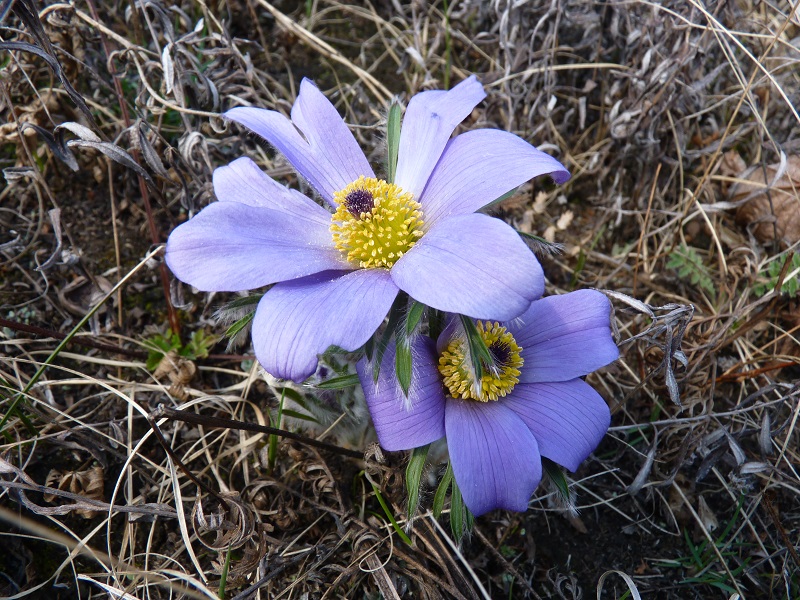
yes, the first flower: Adonis
students helping to install fire breaks
Bluetails...
...for everybody!
Goldcrest
Black-faced Bunting - all observed birds have been males so far
Naumann´s Thrush
Naomi with season´s first Azure-winged Magpie - a bird ringed in 2011
Presentation at Blagoveshchensk Pedagogical State University
all photos © by Naomi Huig, Franziska Maier, Juliana Nefjodowa and Wieland Heim


22.-28.04.2013, total traps: 360 birds out of 23 species
Red-flanked Bluetail Синехвостка Blauschwanz 214
Tree Sparrow Полевой воробей Feldsperling 23
Long-tailed Rosefinch Урагус Meisengimpel 17
Black-faced Bunting Седоголовая овсянка Maskenammer 14
Elegant Bunting Желтогорлая овсянка Gelbkehlammer 13
Marsh Tit Черноголовая гаичка Sumpfmeise 12
Long-tailed Tit Ополовник Schwanzmeise 11
Rustic Bunting Овсянка-ремез Waldammer 10
Little Bunting Овсянка-крошка Zwergammer 8
Pallas´ Reed Bunting Полярная овсянка Pallasammer 8
Siberian Accentor Сибирская завирушка Bergbraunelle 6
Goldcrest Желтоголовый королек Wintergoldhähnchen 4
Yellow-browed Warbler Пеночка-зарничка Gelbbrauen-Laubsänger 4
Eurasian Nuthatch Обыкновенный поползень Kleiber 3
Naumann´s Thrush Дрозд Науманна Rostschwanzdrossel 3
Lesser Spotted Woodpecker Малый пестрый дятел Kleinspecht 2
Pallas´s Rosefinch Сибирская чечевица Rosengimpel 2
Azure-winged Magpie Голубая сорока Blauelster 1
Dusky Thrush Бурый дрозд Rostflügeldrossel 1
Northern Great Tit Большая синица Kohlmeise 1
Pine Bunting Белошапочная овсянка Fichtenammer 1
White-cheeked Starling Серый скворец Weißwangenstar 1
Willow Tit Пухляк Weidenmeise 1